
Ramadan is the ninth month of the Islamic lunar calendar and is considered the most blessed and spiritually powerful month in Islam. It is a time when Muslims around the world fast from dawn until sunset, increase their worship, and focus on self-discipline, gratitude, and closeness to Allah. Ramadan is not only about avoiding food and drink; it is a deeply spiritual journey that strengthens faith and purifies the heart.
What Is Ramadan?
Ramadan is the month in which the Qur’an was first revealed to Prophet Muhammad (peace be upon him). Because of this, it holds special importance for Muslims. Fasting during Ramadan is one of the Five Pillars of Islam, making it a fundamental act of worship for every adult Muslim who is physically and mentally able.
From dawn (Fajr) until sunset (Maghrib), Muslims abstain from:
- Food
- Drink
- Smoking
- Marital relations
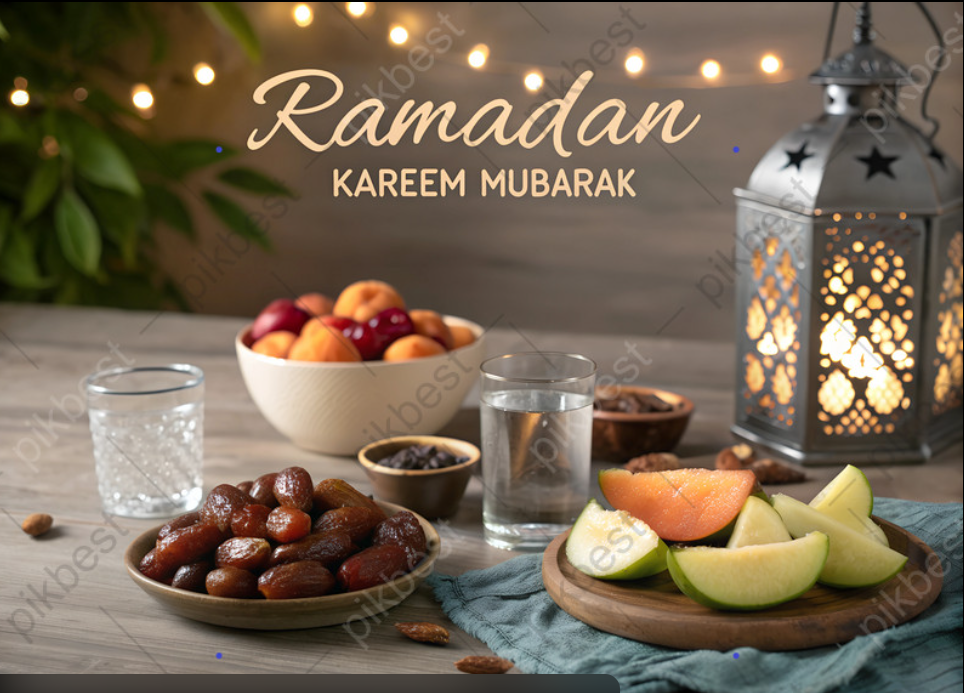
The fast is broken at sunset with a meal called Iftar, traditionally beginning with dates and water, following the practice of the Prophet.
The Purpose of Fasting
The main purpose of fasting in Ramadan is to develop taqwa, which means God-consciousness or awareness of Allah. By giving up basic physical needs for a number of hours each day, Muslims learn self-control, patience, and humility.
Fasting teaches empathy for the poor and hungry. When a person feels hunger and thirst, they better understand the struggles of those who live in poverty daily. This increases compassion and encourages charity.
Ramadan is not just about physical fasting. Muslims are also encouraged to avoid:
- Lying
- Gossiping
- Anger
- Bad behavior
The goal is to purify both the body and the soul.
Spiritual Practices During Ramadan
Ramadan is a month of increased worship and devotion. Muslims spend more time in:
- Prayer (especially night prayers called Taraweeh)
- Reading and reflecting on the Qur’an
- Making supplication (du’a)
- Giving charity (zakat and sadaqah)
One of the most special nights in Ramadan is Laylat al-Qadr (The Night of Power), which is believed to be better than a thousand months. It is the night when the Qur’an was first revealed. Muslims seek this night in the last ten days of Ramadan through extra prayer and devotion.
Charity and Generosity
Ramadan is known as the month of generosity. Muslims are encouraged to give charity and help those in need. Acts of kindness, feeding the poor, and supporting community members are highly rewarded during this month.
Many people choose Ramadan as the time to pay their annual zakat (obligatory charity), multiplying their blessings. Families and communities often gather to share Iftar meals, strengthening unity and brotherhood.
Who Must Fast?
Fasting during Ramadan is required for adult Muslims who are healthy and capable. However, Islam provides mercy and flexibility. Those who are exempt include:
- Children
- The elderly
- The sick
- Pregnant or breastfeeding women (if fasting harms them)
- Travelers
Missed fasts can often be made up later, or compensation can be given by feeding the poor, depending on the situation.
The End of Ramadan
Ramadan ends with a joyful celebration called Eid al-Fitr. This special day begins with a congregational prayer and is marked by gratitude, charity, family gatherings, and happiness. Before the Eid prayer, Muslims give Zakat al-Fitr, a charity meant to purify their fast and help the needy celebrate as well.
The Life-Changing Impact of Ramadan
Ramadan is more than a month of rituals; it is a powerful opportunity for transformation. Many Muslims use this time to:
- Break bad habits
- Strengthen good character
- Reconnect with faith
- Seek forgiveness
The discipline built during Ramadan often inspires positive change throughout the rest of the year.
The hunger experienced during fasting reminds believers that worldly comforts are temporary. The focus shifts from material needs to spiritual growth. Hearts soften, prayers increase, and communities unite.
Conclusion
Ramadan is a blessed and powerful month of mercy, forgiveness, and spiritual growth. It teaches self-control, compassion, and gratitude while strengthening the connection between believers and Allah. Through fasting, prayer, charity, and reflection, Muslims experience a deep renewal of faith.
More than just abstaining from food and drink, Ramadan is a journey of the heart — a time to reset, refocus, and return to what truly matters.